Beginner's Guide to Fishing: Your First Trip
Everything a newcomer needs for a first fishing trip in the UK: the licence, the permission, the kit and what to expect on the bank.
By Steve Dyke, Founder and editor
Updated
· Last reviewed · 2 min read
This page contains affiliate links to fishing tackle. If you buy through them we may earn a commission, at no extra cost to you. We never sell fishing licences. How we make money
In short
- Anyone 13 or over fishing in England or Wales needs a rod licence first; ages 13 to 16 get one free.
- You also need permission to fish the water, usually a day ticket from a fishery or a club membership.
- A commercial coarse fishery is the easiest place to start: well stocked, with facilities and helpful staff.
- A simple float rod, a small reel, a few floats, hooks and maggots or sweetcorn will catch fish on most lakes.
- Rivers are closed to coarse fishing from 15 March to 15 June, but most lakes are open all year.
Step 1: get your licence
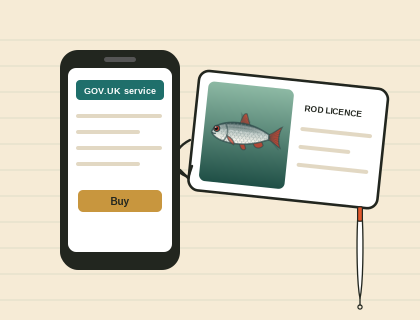
Before anything else, buy a rod licence if you are 13 or over. A day licence costs £7.30 and a 12-month licence £36.80 in 2026, and under-13s don't need one. Buy it on the official GOV.UK service: here is how to buy a fishing licence.
Step 2: choose where to fish
For a first trip, choose a commercial coarse fishery: a lake stocked with carp, roach, bream and other fish, with a car park, toilets and staff who sell day tickets. You'll catch more, learn faster and fish in comfort. Ask at a local tackle shop, which will know the best beginner-friendly venues and often sells day tickets.
Wherever you go, you need permission to fish. Read our guide to permits and day tickets, and check the fishery's rules board when you arrive.
Step 3: get some simple tackle
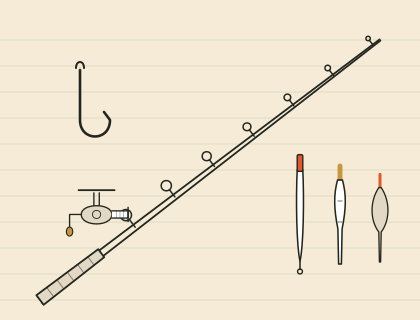
You don't need expensive kit. A basic float fishing set-up is:
- a float rod of around 10 to 12 feet;
- a small fixed-spool reel loaded with 3 to 4lb line;
- a few waggler floats and split shot (lead-free, or lead of size 8 and smaller);
- hooks in sizes 14 to 18, or ready-tied hooks to nylon;
- a disgorger, a landing net, an unhooking mat and a plummet to find the depth;
- bait: maggots, sweetcorn, small pellets or bread.
Our guide to rods, reels and floats explains what each item does. If you'd like to buy a ready-made kit, a float rod and reel combo is the simplest place to start.
Step 4: know the basic rules
- Check the close season: rivers are closed to coarse fishing from 15 March to 15 June.
- Stay within your licence's rod limit, and never leave a rod unattended with bait in the water.
- Return your fish carefully. Most fisheries are catch and release, and taking fish needs permission.
- Take all your litter and line home. Discarded line and hooks kill birds.
Step 5: on the bank
- Set up quietly, back from the edge; fish spook easily.
- Find the depth with a plummet and set your float so the bait sits just off the bottom.
- Feed a few maggots or grains of corn little and often.
- When the float dips or slides away, lift the rod firmly.
- Net the fish, unhook it on a wet mat with a disgorger, and return it gently.
Handle fish with wet hands and keep them out of the water for as short a time as possible. A photo is fine, but be quick.
Where to learn more
Many angling clubs and fisheries run beginner coaching days, and the Angling Trust lists places to fish. Print our before-you-fish checklist and look up any unfamiliar words in the glossary.
Sources and further reading
Didn't find your answer?
Ask us about rod licences, seasons or fishing rules and we'll add the answer to the site. For your own licence account, contact the Environment Agency directly.