Coarse and Match Fishing: Licence and Rules
Coarse fishing for roach, bream, perch, tench, chub and the rest needs a trout and coarse licence. Here are the rod limits, seasons and keepnet rules that matter to pleasure and match anglers.
By Steve Dyke, Founder and editor
Updated
· Last reviewed · 3 min read
In short
- Coarse and match fishing in England and Wales needs a trout, coarse fish and eel licence, from £7.30 a day or £36.80 a year in 2026.
- The standard licence allows up to 2 rods for coarse fish; a 12-month 3-rod licence is also available.
- Rivers are closed to coarse fishing from 15 March to 15 June; most lakes and canals stay open.
- Keepnets must be at least 2 metres long with knotless mesh, and fish must be returned alive when you finish.
What is coarse fishing?
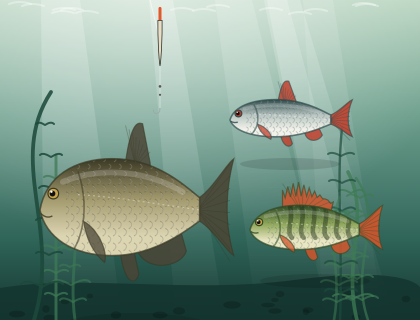
Coarse fishing is freshwater fishing for species other than salmon and trout: roach, rudd, bream, perch, tench, chub, dace, barbel, carp, crucian carp, pike and others. In Britain nearly all coarse fish are returned alive. Match fishing is competitive coarse fishing, where anglers draw a peg and the heaviest total weight of fish wins.
Which licence do coarse anglers need?
You need a trout, coarse fish and eel licence. It covers all freshwater fish, including smelt and eel, and non-migratory trout. In 2026 it costs £7.30 for a day, £14.70 for 8 days or £36.80 for 12 months, with a £24.50 concession for anglers aged 66 or over or disabled. Juniors aged 13 to 16 get theirs free. See all prices.
How many rods can a coarse angler use?
The standard licence covers up to 2 rods for coarse fish. If you want to fish three, buy the 12-month 3-rod licence (£55.30). Rods must be close together, with no more than 3 metres between the outermost rods, and never left unattended with the bait in the water. Many match and commercial fisheries allow only one rod or pole per angler, and their rule applies.
When can you go coarse fishing?
On rivers, streams and drains in England the coarse close season runs from 15 March to 15 June inclusive. Most lakes, ponds, reservoirs and canals have no statutory close season, which is why commercial fisheries are busy all year, but some clubs and fisheries set their own. Full details in our close season guide.
What are the keepnet rules?
Match anglers rely on keepnets to hold fish until the weigh-in, so the byelaws matter. A keepnet must be at least 2 metres long, with knotless, non-metallic mesh and holes no larger than 25mm in circumference; supporting rings must be no more than 40cm apart and at least 120cm in circumference. Return the fish alive when you finish, and never leave them in the net after you stop fishing. Many fisheries limit keepnet use in hot weather or ban them altogether.
Can I keep coarse fish?
From rivers you can take up to 15 small coarse fish of no more than 20cm a day, but you need permission to take fish from stillwaters and canals, and most anglers return everything. See catch and size limits.
Bait and tackle rules for coarse anglers
- You must not use crayfish, dead or alive, as bait.
- Lead weights between 0.06g and 28.35g are banned. Split shot of size 8 or smaller, and leads over 1oz, are allowed; most anglers use lead-free shot.
- Live bait may only be used in the water it came from (some local byelaws ban it).
- Fish hooked anywhere other than the mouth on rivers, streams, drains or canals must be released.
Do match anglers need anything else?
Every competitor needs their own valid licence, plus the match entry; junior and youth matches are a great way in. For carp-specific rules, see carp fishing; for pike, see predator fishing.
Sources and further reading
Didn't find your answer?
Ask us about rod licences, seasons or fishing rules and we'll add the answer to the site. For your own licence account, contact the Environment Agency directly.